

Previous members
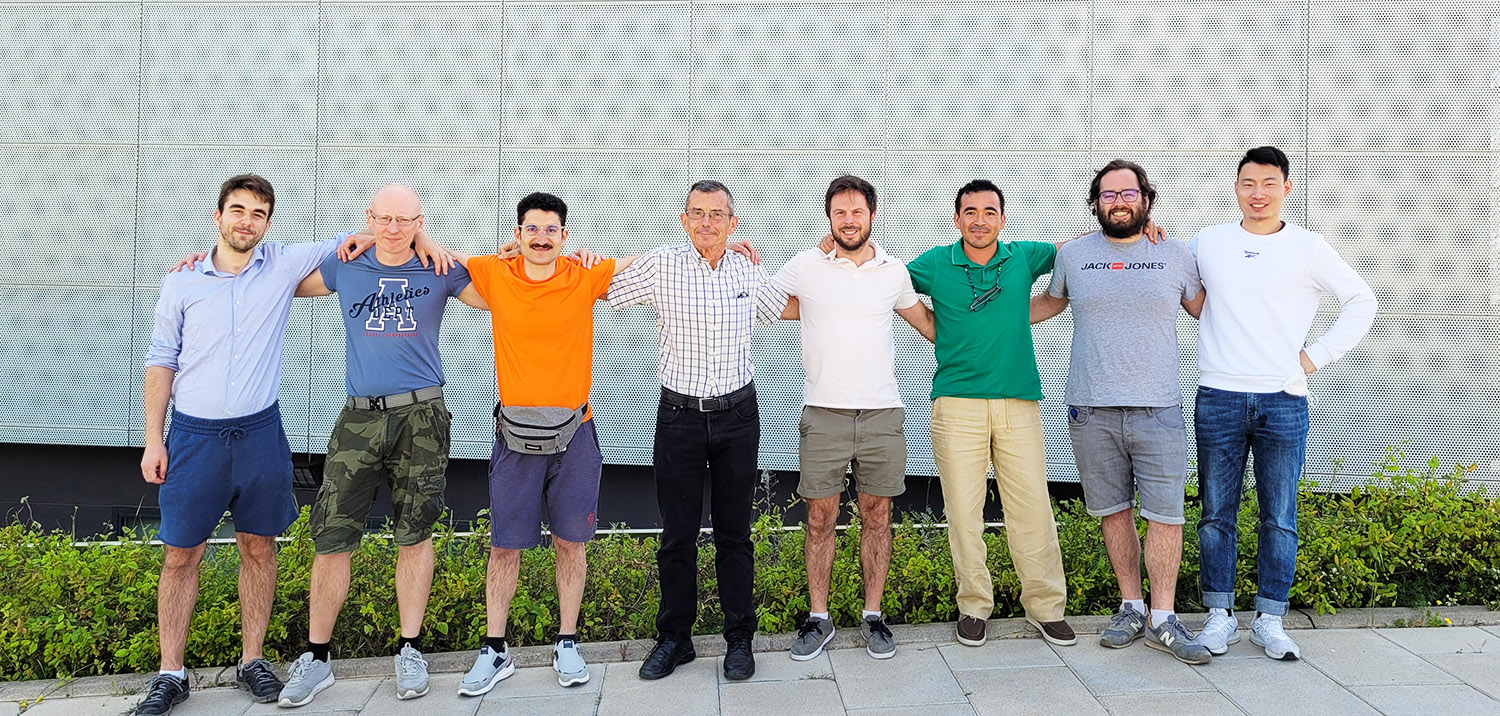
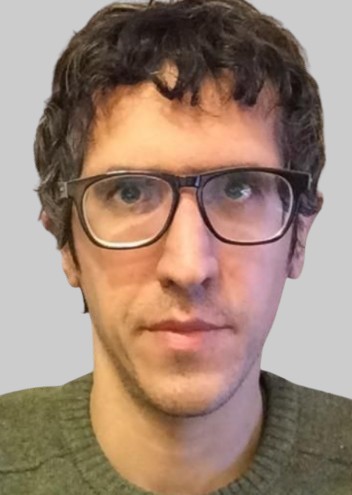
2021-2022. Hector Sainz, Andreas Sinner, Tommaso Cea, Francisco Guinea, Yago Ferreirós, Pierre Pantaleón, Alejandro Jimeno and Kuang Xueheng


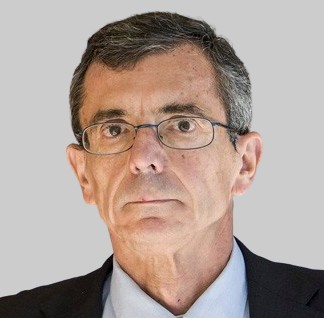
Francisco Guinea obtained his BSc (1975) in Physics from the Universidad Complutense de Madrid, and the Phd at the Universidad Autónoma de Madrid (1980) . He obtained a Fullbright Fellowship and worked at the University of California, Santa Barbara, during the years 1982-1984. He became Assistant Professor at the Universidad Autónoma de Madrid in 1985, and Senior Researcher at the Consejo Superior de Investigaciones Científicas in 1987. He has been visiting Professor at the University of Michigan, 1991-1992, and visiting Researcher at the University of California San Diego, 1997, and Boston University, 2004-2005. He has stayed for shorter periods at a number of institutions worldwide, like IBM Rüschlikon, Kernforschunganlage Jülich, DIPC, San Sebastián, ICTP, Trieste, ENS, Par ́s, and many more. He joined Imdea Nanoscience in January 2005.
F. G. has published over 400 scientific papers, with an h-index of 75 and more than 50 papers with over 100 citations. He has received a number of awards, including the biannual National Prize for Physics (Spain), and the Gold Medal of the Spanish Physical Society.
The group has varied interests intheoretical condensed matter physics and materials science. In particular, we focus on:


Previous members
2021-2022. Hector Sainz, Andreas Sinner, Tommaso Cea, Francisco Guinea, Yago Ferreirós, Pierre Pantaleón, Alejandro Jimeno and Kuang Xueheng